FAQs: Everything You Need To Know About Installing Synthetic Turf in Arizona
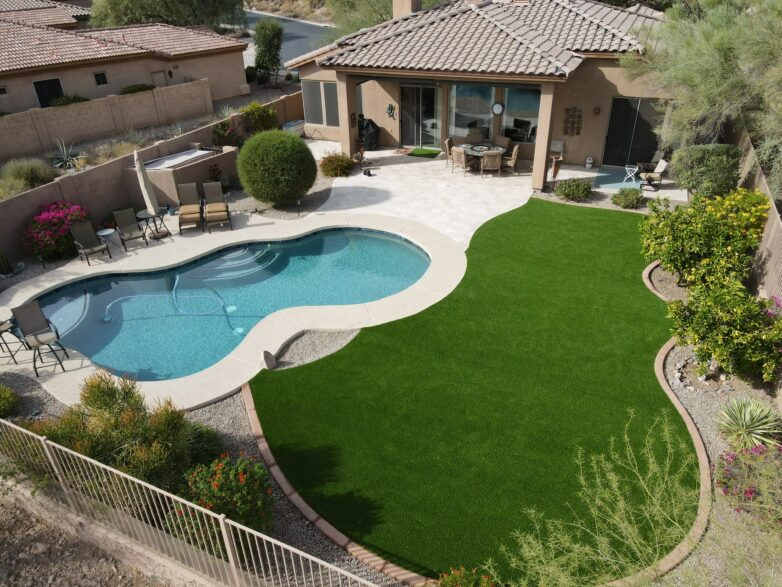
Making the switch to synthetic grass is a significant investment that can transform your outdoor living space and elevate your property value. Homeowners in Tempe, AZ, and throughout the East Valley are increasingly choosing artificial grass for its beauty, durability, and minimal maintenance requirements — especially valuable traits in Arizona’s desert climate. However, the decision to install synthetic turf understandably comes with many questions about performance, longevity, installation, and value.
At Alpine Turf, we believe informed homeowners make better decisions, which is why we’ve compiled answers to the most frequently asked questions about synthetic grass installation. Whether you’re considering artificial turf for the first time or evaluating different installation options, this guide will provide valuable insights to help you make the right choice for your Arizona home.
Does synthetic turf last in Arizona’s extreme heat?
Arizona’s summer temperatures regularly exceed 110°F, raising concerns about artificial grass performance. Luckily, premium synthetic turf is specifically engineered to withstand extreme heat without deteriorating or losing its aesthetic appeal.
Today’s advanced turf products are manufactured with specialized UV inhibitors that prevent fading and breakdown from relentless sun exposure. While artificial turf can become warm to the touch during peak summer hours, high-quality products feature cooling technology that reduces surface temperatures by up to 15 percent. Unlike natural grass that browns and dies during heat waves, quality synthetic turf maintains its lush, green appearance year-round, regardless of temperature extremes.
Will artificial grass drain properly during monsoon season?
Arizona’s monsoon season brings sudden, intense rainfall that can challenge drainage systems. High-quality synthetic turf installers in Arizona will account for this with a properly constructed base of crushed aggregate materials that provide excellent drainage capabilities — often superior to what natural grass offers in compacted Arizona soils.
Premium artificial grass products also feature perforated backings that allow water to flow through at rates exceeding 30 inches per hour, preventing stagnant water and puddles even during the heaviest downpours. Additionally, professional turf installers create subtle contours and slopes during installation to direct water away from structures and prevent pooling. When properly installed, artificial grass provides excellent drainage while helping manage erosion issues that often occur with natural lawns during heavy rains.
How long does synthetic turf last in the Arizona climate?
With proper installation and maintenance, premium artificial grass can last up to 20 years in Arizona. American-made synthetic turf products, which is all we install at Alpine Turf, are specifically engineered to withstand UV exposure, temperature fluctuations, and heavy use without significant degradation.
Several factors influence longevity, including turf quality, installation methods, and maintenance practices. Higher-density turf with advanced UV stabilization technology typically performs better over time compared to low-cost alternatives. Professional installation that includes proper base preparation, secure seaming techniques, and appropriate infill application significantly extends the life of your synthetic lawn. Basic maintenance practices, such as occasional rinsing and brushing, further enhance longevity by preventing debris accumulation and maintaining the turf’s upright position.

Is artificial grass safe for children and pets?
High-quality artificial grass options are specifically designed with family safety in mind. The American-made turf products we use are manufactured without lead, toxic materials, or PFAS that might pose health risks. The infill materials used are also non-toxic and designed to be safe for direct contact.
For areas where children play, we typically recommend specialized foam padding installed beneath the turf to provide additional impact protection. This padding can be adjusted to meet various safety standards depending on the play equipment height and activities. For pets, modern pet turf features efficient drainage systems that prevent urine from pooling, while solid waste can be removed as with natural grass. Many turf products also incorporate antimicrobial technologies that inhibit bacteria growth and odor development, keeping your family happy and healthy year-round.
How much maintenance does synthetic turf require compared to natural grass?
One of the primary benefits of artificial grass, especially in a desert climate like Arizona, is its minimal maintenance requirements. Unlike natural grass that demands regular mowing, watering, fertilizing, weeding, and pest control, synthetic turf needs only occasional attention to maintain its appearance and functionality.
Basic maintenance includes periodic rinsing to remove dust and pollen, especially after dust storms. Brush the turf every week or so with a stiff broom or specialized rake to help maintain the upright blade position in high-traffic areas. Leaves and debris should be removed to prevent decomposition on the turf surface. Pet owners may occasionally need to rinse areas frequently used by pets with a mild enzyme cleaner to prevent odor buildup.
Compare this minimal maintenance routine to the weekly mowing, constant watering, seasonal fertilization, regular weed control, and ongoing pest management required by natural lawns in Arizona. Most homeowners report saving dozens of hours of annual maintenance time after converting to synthetic turf — not to mention the significant reduction in water bills and lawn care expenses.
What is the environmental impact of installing artificial grass in Arizona?
In water-scarce Arizona, the environmental benefits of synthetic turf can be substantial. The average natural lawn in Tempe, AZ, requires approximately 70 gallons of water per square foot annually — water that becomes increasingly precious as drought conditions persist. By eliminating this water demand, artificial grass contributes significantly to conservation efforts.
Additionally, synthetic turf eliminates the need for chemical fertilizers, pesticides, and herbicides that can leach into groundwater. The reduction in lawn equipment usage also decreases both air pollution and noise pollution in residential areas. Modern turf products are also increasingly manufactured with recyclable materials and can often be recycled at the end of their lifespan.
For environmentally conscious homeowners, choosing local installers who use American-made products with eco-friendly manufacturing processes further reduces the overall environmental footprint of your landscape transformation.
At Alpine Turf, we’re committed to helping Arizona homeowners make informed decisions about their synthetic turf installations. Our team is ready to address any additional questions you might have about transforming your outdoor space with beautiful, durable artificial grass designed specifically for our desert environment. To learn more or schedule a free consultation, give us a call at 602-905-7396 or contact us online today.